Retaining Walls: When You Actually Need One (and When You Don’t)
The difference between a real solution and an unnecessary project
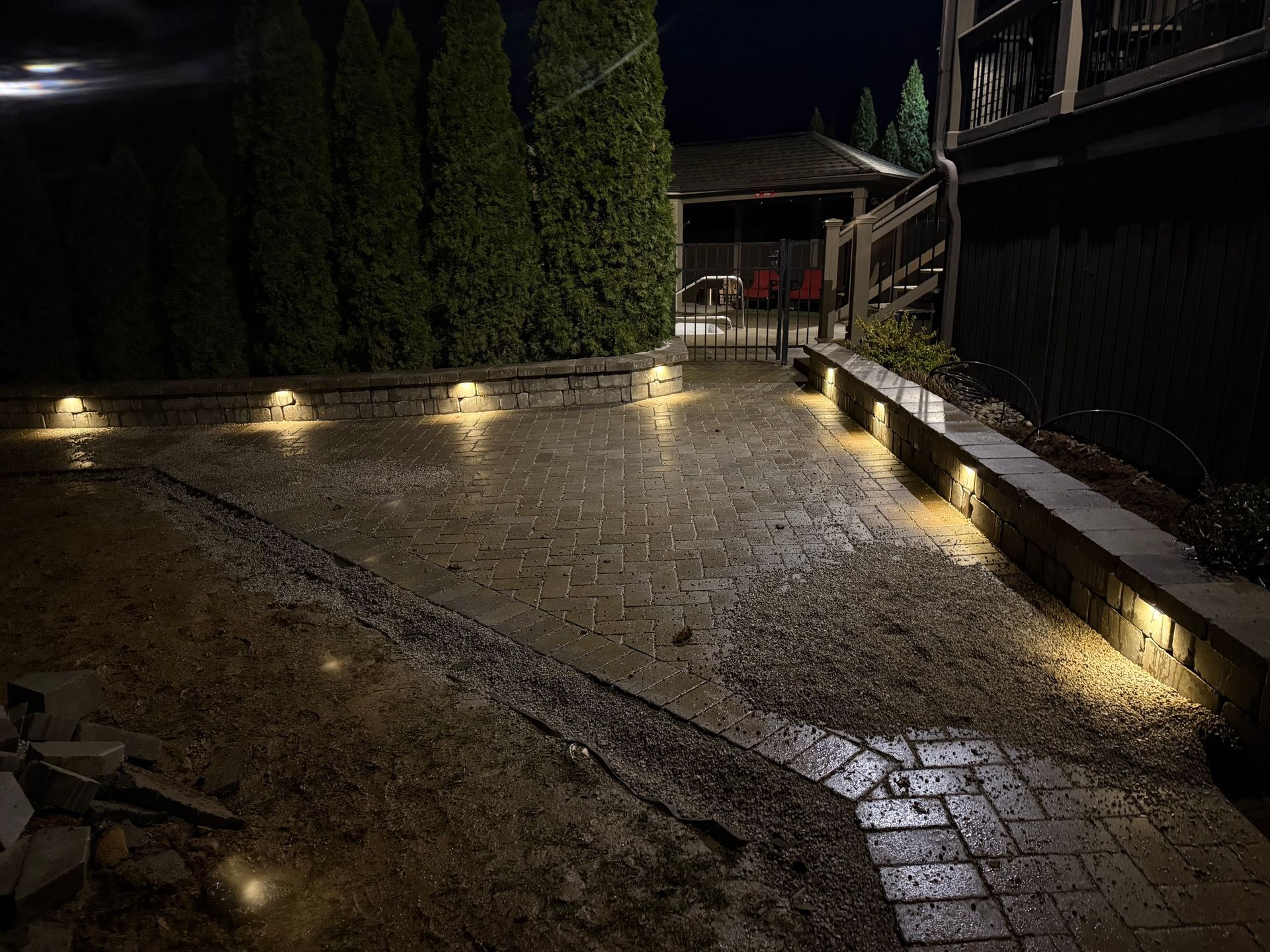
A lot of homeowners think a retaining wall is just something you add to make a yard look nicer. And while that’s partly true, the real purpose goes way beyond looks. A properly built retaining wall can protect your property, fix drainage issues, and completely change how usable your yard is.
But here’s the thing—not every yard actually needs one. So let’s break down when it makes sense, and when it’s just overkill.
⸻
What a retaining wall actually does
At its core, a retaining wall is designed to hold back soil. That might not sound like much, but in real-world terms it can:
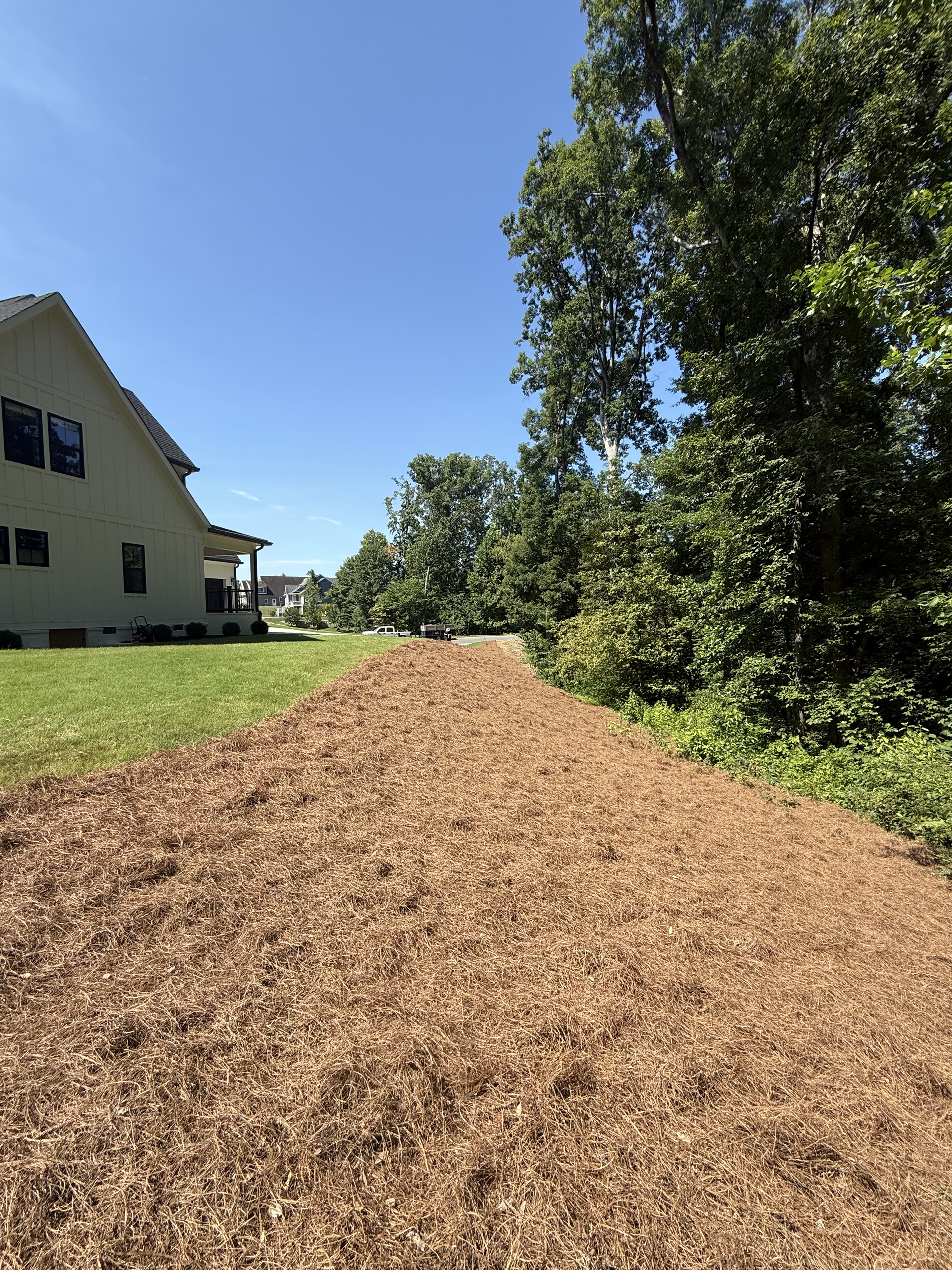
Stop erosion on sloped yards
Control water runoff during heavy rain
Create level, usable space on uneven ground
Protect driveways, patios, or foundations from shifting soil
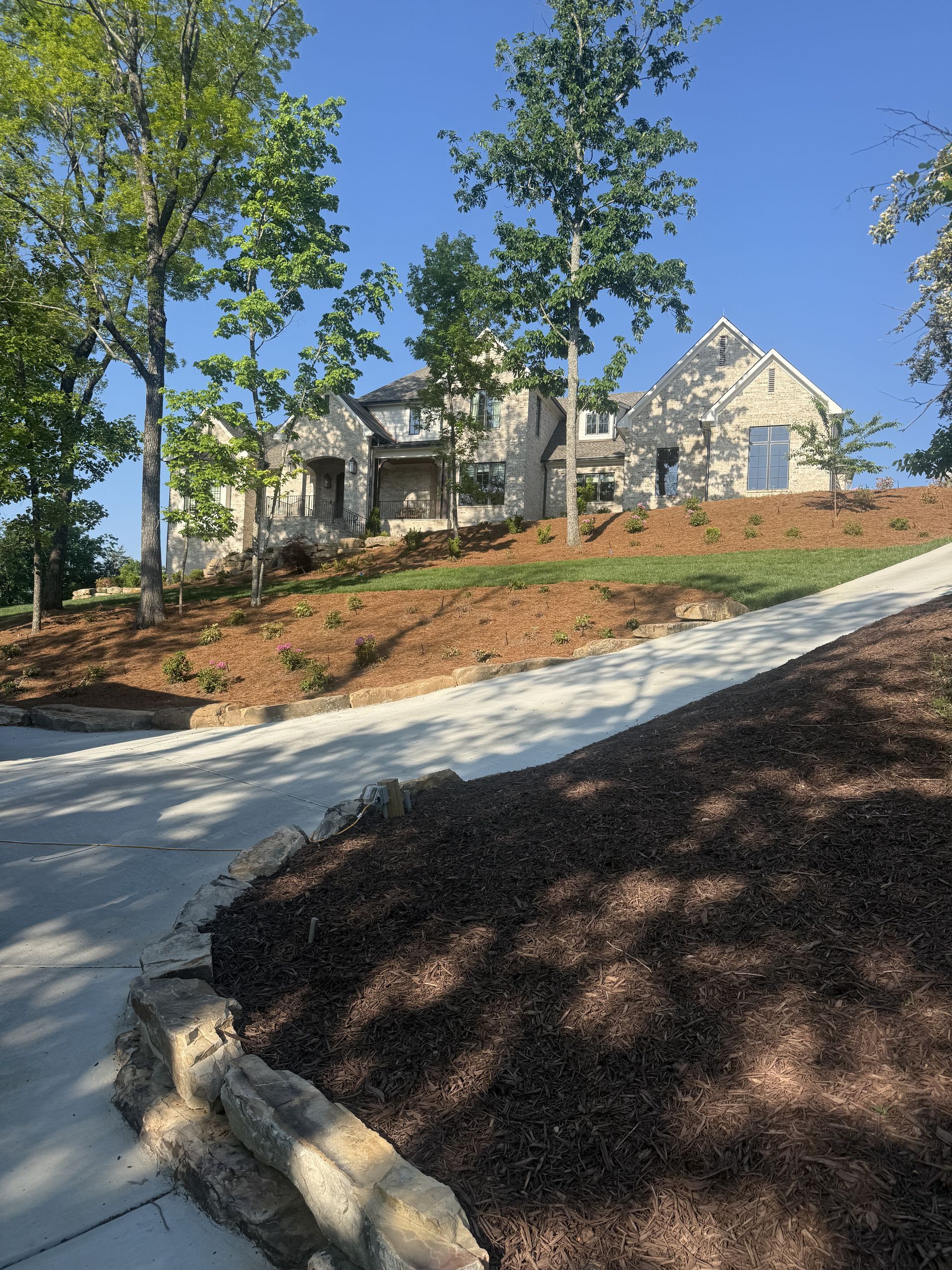
Around East Tennessee, especially in areas like Cleveland, Tennessee, heavy rain and sloped yards are pretty common. That combination is exactly why retaining walls show up so often in local landscape work.
⸻
Signs you might actually need a retaining wall
Most people don’t think about a retaining wall until there’s already a problem. Here are some clear signs it might be time:
1. Your yard is washing out after heavy rain
If you’re seeing soil move, bare spots forming, or mulch constantly washing away, that’s a drainage and grade issue—not just a lawn issue.
2. You have a slope you can’t use
If part of your yard feels unusable because it’s too steep to mow, plant, or enjoy, a retaining wall can turn that wasted space into something functional.
3. Water is pooling in certain areas
Standing water usually means water has nowhere to go. A properly designed wall system can help redirect and control that flow.
4. You’re constantly redoing landscaping beds
If your mulch, rock, or plants keep sliding downhill after every storm, you’re fighting gravity instead of working with your yard.
⸻
When you probably don’t need one
Not every yard problem calls for a wall. Sometimes people jump straight to it when a simpler fix would work better.
You might NOT need a retaining wall if:
Your yard is mostly flat
The issue is just poor lawn health (not grading)
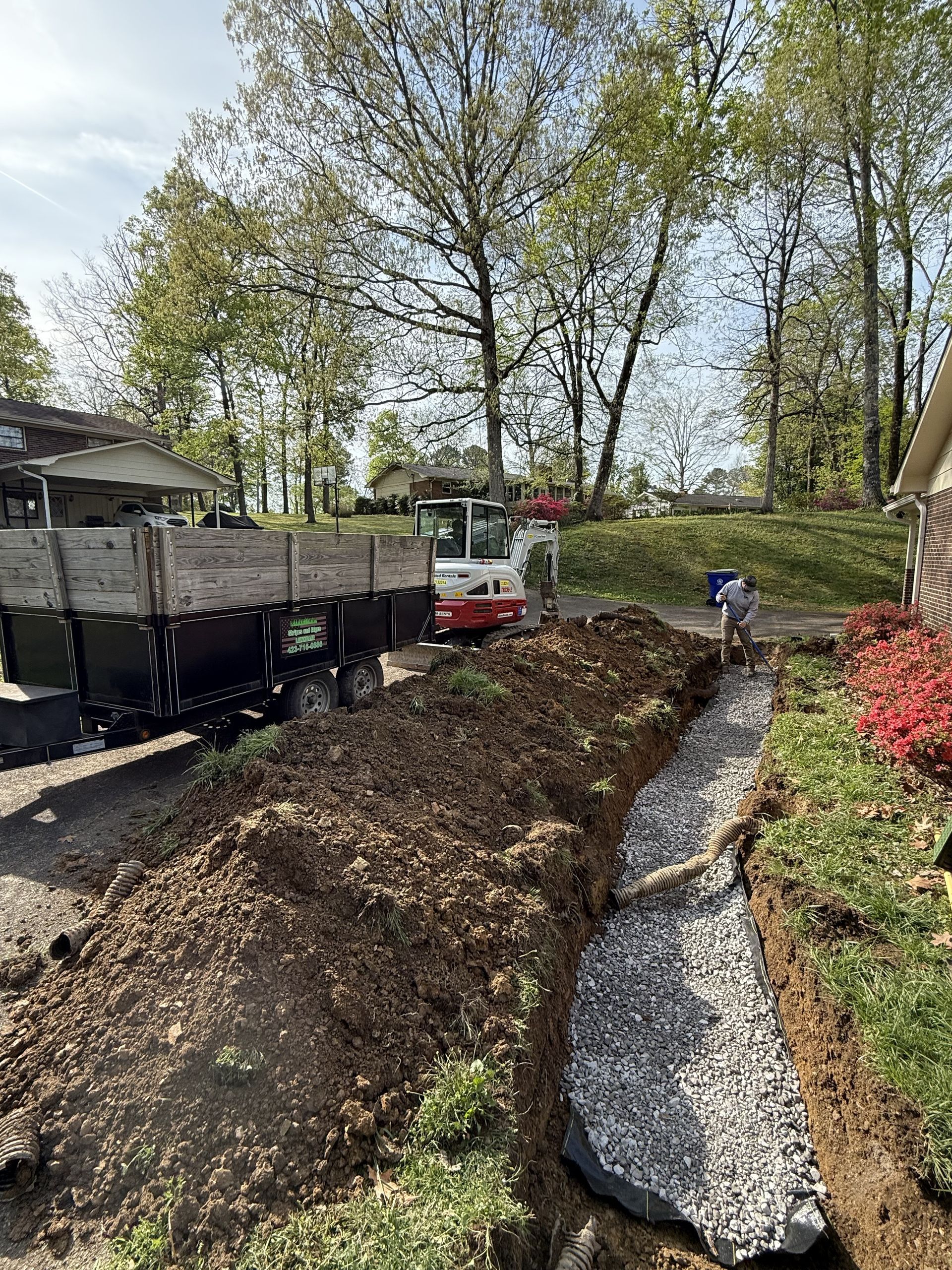
Drainage can be corrected with minor reshaping or a drain system
You’re only trying to improve appearance, not structure
In those cases, things like proper grading, drainage correction, or a cleanup and rework of your landscape beds might solve the problem without the cost of a wall.
⸻
The biggest mistake people make
The most common mistake is treating a retaining wall like a decoration instead of a system.
A real retaining wall should always be tied into proper drainage. Without that, water builds up behind it and creates pressure that can eventually cause failure. That’s why installation matters just as much as appearance.
It’s not just stacking blocks—it’s managing soil, water, and elevation together.
⸻
What a properly built wall can change
When it’s done right, a retaining wall can completely change a property:
Turns steep, wasted areas into usable space
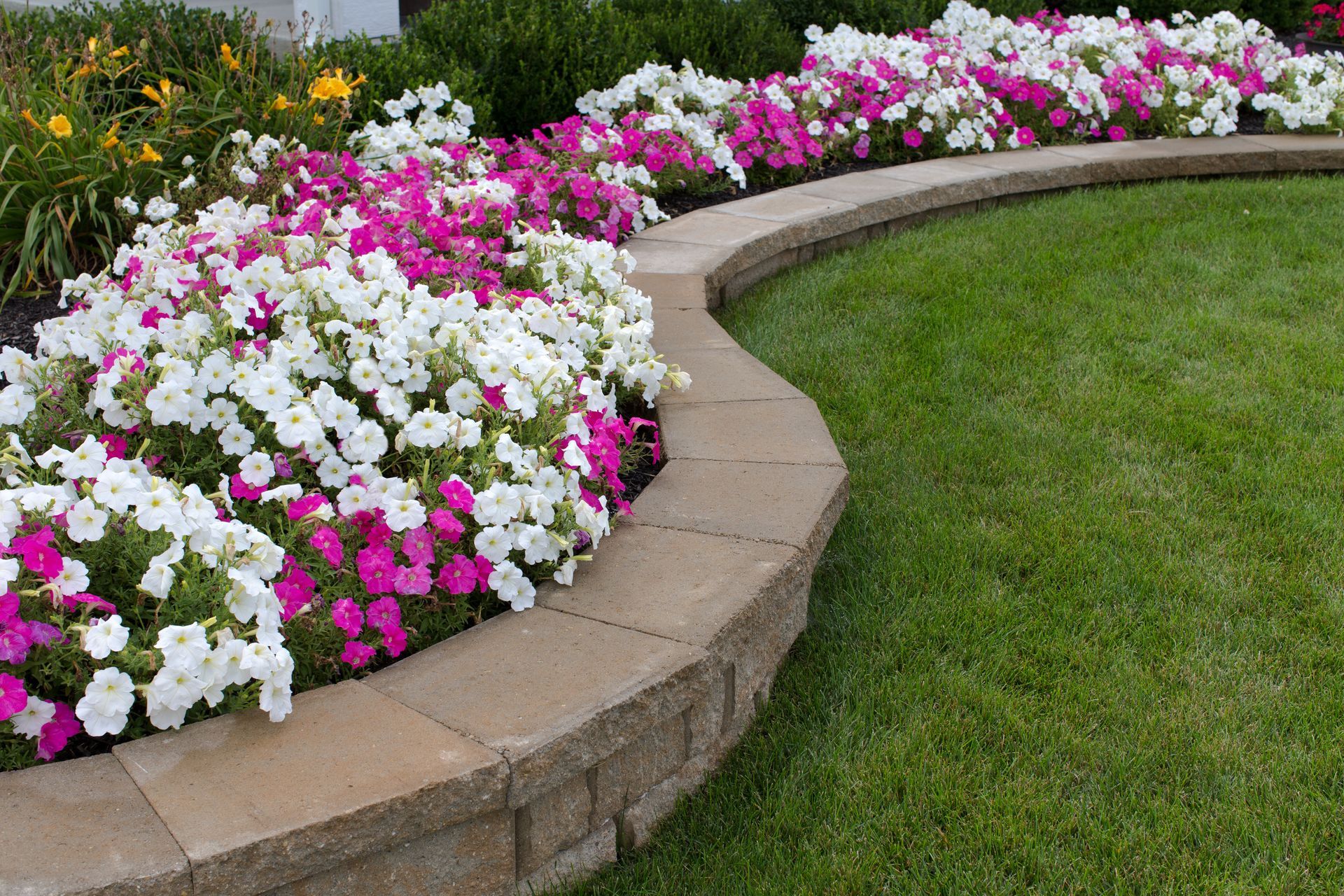
Makes landscaping beds cleaner and easier to maintain
Improves drainage across the whole yard
Adds long-term structure and curb appeal
It’s one of those projects where you don’t just “fix a problem”—you actually upgrade how the whole property functions.
⸻
Final thought
If your yard is fighting erosion, slope issues, or constant washouts, a retaining wall might be more than just a nice add-on—it could be the fix that actually solves the root problem.
And if it’s not needed, that’s just as important to know. The right approach is always figuring out what your property actually needs, not just adding something for the sake of it.